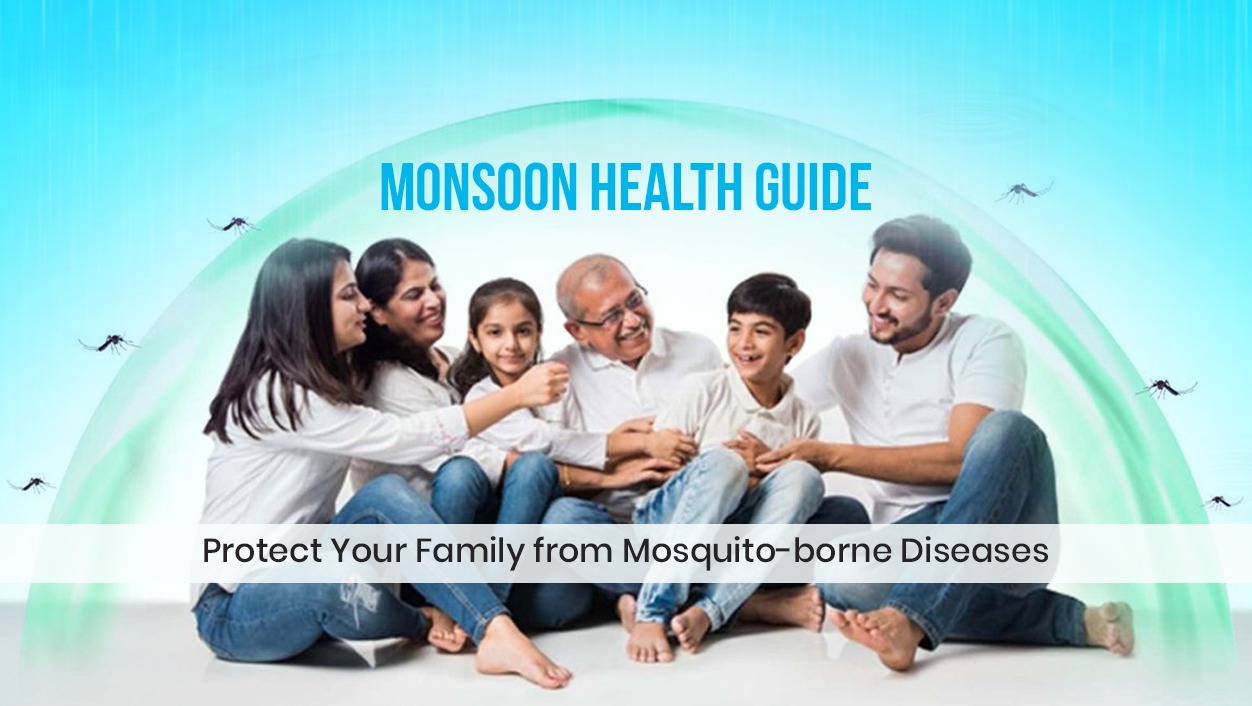
Every year when the rains arrive, we breathe a little easier. The heat drops, the air feels fresher and life seems to slow down for a moment. But the monsoon also brings its own share of health challenges. Viral fevers, stomach infections, common cold and flu become common and among the most concerning are mosquito-borne diseases. Mosquitoes multiply rapidly in the wet season and the illnesses they spread can turn serious if ignored.
The question is, how do you protect your family without living in constant worry? Let’s break it down, step by step, in a way that answers the questions most of us already have in mind.
Why are mosquitoes worse during monsoon?
Does rain really cause more mosquitoes or is that just a myth?
It’s not a myth. Mosquitoes thrive in the monsoon for a very simple reason: stagnant water. Every puddle, clogged drain, flower pot saucer or water cooler that doesn’t get emptied turns into a nursery for mosquito breeding. Add humidity and slower evaporation and you’ve got the perfect storm.
So, when it rains for days and water sits around, mosquito populations shoot up.
What diseases should families really worry about?
We always hear about dengue, are there others too?
Yes, dengue tends to grab the headlines, but it’s far from the only threat. Each of these illnesses is caused by different mosquitoes, which is why prevention is critical.
1.Dengue Fever
People call it “breakbone fever” because the muscle and joint pains can feel that intense. Dengue spreads through the Aedes aegypti mosquito, which usually bites in the daytime and breeds in clean stagnant water like tanks, buckets, or flowerpots.
What to look for: Sudden high fever, strong headaches, pain behind the eyes, joint or muscle pain, and sometimes a red skin rash.
When to worry: If the person develops stomach pain, repeated vomiting, bleeding from the gums or nose, or extreme tiredness, these are warning signs of severe dengue and need urgent medical care.
2.Malaria
Malaria is very different from dengue. It’s caused by a parasite that comes through the bite of the Anopheles mosquito, which usually bites at night.
What to look for: Fevers that rise, break with sweating, and then return in cycles, often with chills and shivering. The person may also feel very weak or anemic over time.
When to worry: If fever keeps coming back in cycles, or if there are signs of confusion, yellowing of the eyes, or trouble breathing, don’t delay medical help.
3.Chikungunya
Another illness spread by the Aedes mosquito, chikungunya looks similar to dengue at first but the joint pain here can be far worse and may last for weeks.
What to look for: Sudden fever, rash, and severe pain in the joints — often wrists, ankles, or knees.
When to worry: The illness is rarely life-threatening, but the pain can become disabling.
4.Japanese Encephalitis
This is less common but much more dangerous. Spread by the Culex mosquito, it can cause brain inflammation. Children are especially vulnerable.
What to look for: High fever, headache, vomiting, and in serious cases, seizures or confusion.
When to worry: If someone has a seizure, becomes unusually drowsy, or starts acting confused, don’t wait at home, go to the hospital right away. In places where this illness is common, vaccination is the safest protection..
5.Filaria
Unlike the others, filaria builds up slowly after repeated bites from Culex mosquitoes. It usually doesn’t start with fever but shows up over time as swelling, most often in the legs.
What to look for: Persistent swelling in the legs, skin that becomes thick or hard, or discomfort around the groin.
When to worry: It’s a chronic condition that needs medical management to prevent progression.
Each of these diseases has its own signature symptoms and risk profile, but they all start with the same small bite. That’s why prevention has to be the first line of defense.
How can we protect our home environment?
Do I really need to check every corner for water? Isn’t that overkill?
Not at all. Most people underestimate how little water mosquitoes need to breed, sometimes just a bottle cap’s worth. A quick weekly check makes a massive difference.
Here’s a practical list:
- Empty buckets, coolers and AC trays every 2–3 days
- Clean out clogged drains or gutters
- Turn over flowerpot plates or refill with fresh sand
- Keep water tanks covered
- Don’t let discarded plastic containers or tires collect rainwater
Think of it as part of your monsoon weekend routine.
Is mosquito repellent enough?
If I apply cream or use a coil, am I safe?
Repellents definitely help, but they’re only part of the solution. The smarter strategy is layering your protection:
- Repellents or sprays for exposed skin
- Mosquito nets or window screens for home
- Full-sleeved clothing in the evenings when mosquitoes are most active
- Fans indoors, since mosquitoes are weak fliers
One line of defense is good. Several together are better.
What about community efforts?
I can manage my home, but what if my neighborhood isn’t clean?
That’s a valid concern. Mosquitoes don’t care about boundaries. If the house next door has breeding spots, your family is still at risk.
This is where collective responsibility matters. Most local bodies run fogging and larvicide drives, but community awareness is what sustains it. If you notice pooled water or garbage heaps, raise it with your resident association or local health officials. A clean neighborhood protects everyone.
When should you see a doctor?
During monsoon, fevers are common. But mosquito-related illnesses like dengue, malaria, or chikungunya don’t always look the same in the early stages. Some patterns should make you cautious:
- A sudden spike in temperature with severe body pain or a rash (often seen in dengue)
- Fever that comes with chills and sweating, then eases and returns in cycles (typical of malaria)
- Tiredness, nausea, or vomiting along with fever
- Fever that lingers beyond two or three days despite basic home care
- In children, signs like dry lips, less urination, or unusual sleepiness
These are situations where waiting it out isn’t wise. Getting medical attention early can make treatment smoother and recovery quicker.
Quick family checklist for the monsoon
If you want one simple reminder to keep at home, here it is:
- Empty or cover all water containers every week
- Keep overhead tanks sealed
- Use repellents, nets and window screens consistently
- Dress children in light, full-sleeve clothing in the evenings
- Get medical help for fever that lingers or worsens
- Join community efforts to clear drains and breeding spot
Final word
Mosquitoes are part of every monsoon, but serious illness doesn’t have to be. A mix of small daily habits, watchfulness and timely medical care is enough to keep your family safe.
The question isn’t whether mosquitoes will arrive this season, they always do. The real question is whether your home will be ready for them.