Most of us have a habit of brushing things off. A strange ache, a week of fatigue, a bit of weight loss, we tell ourselves it’s nothing. Life gets busy and it’s easier to move on. But over the years, I’ve seen how often those small signs are our body’s first way of saying, “Pay attention.”
The truth is, our health doesn’t exist in isolation. It’s tied to the pace we live, the air we breathe, the food we can afford and the stress we carry. Urban living, long hours and financial pressure often make us ignore what our body is quietly trying to tell us. Add to that delayed medical check-ups or self-medication and small issues start turning into big ones. That’s why early detection isn’t just a medical principle, it’s a way of protecting the quality of your life and the people who depend on you.
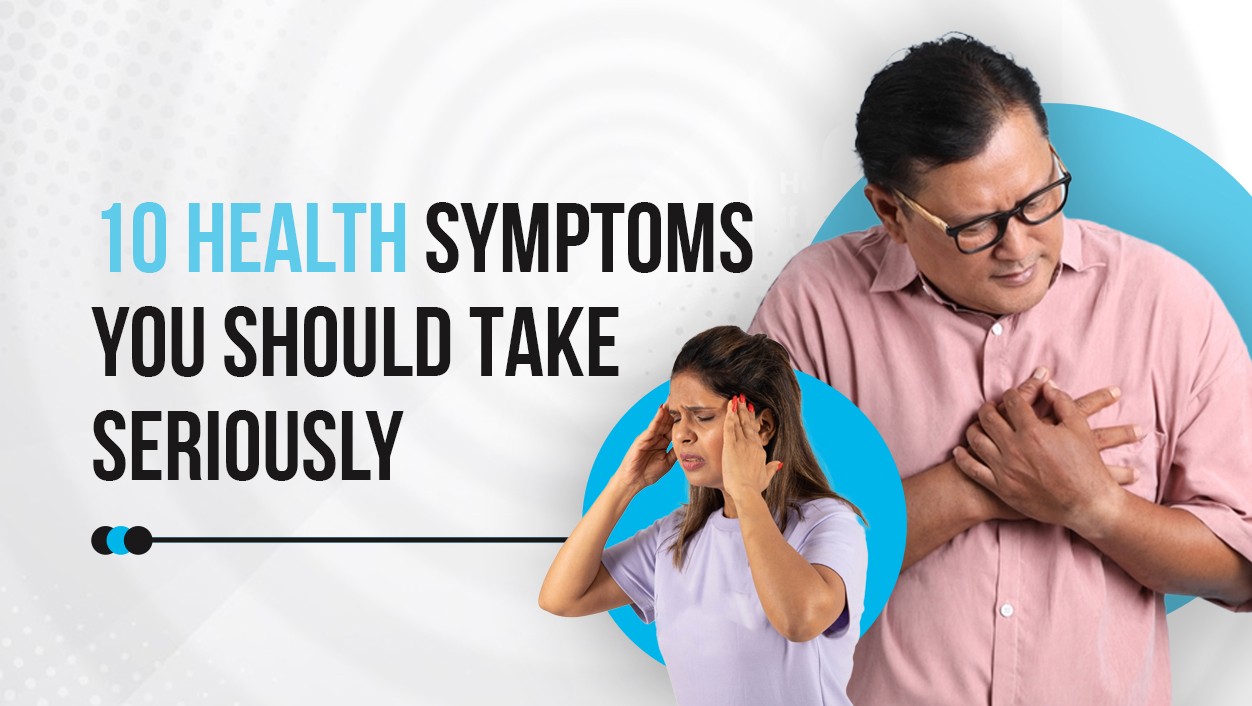
Your body rarely stays quiet when something’s wrong. It gives hints, sometimes subtle, sometimes sharp. The key is to notice them early. So, let’s go over ten symptoms that deserve more than a passing thought.
- Fever That Doesn’t Settle
A low fever after a cold is fine. But when your temperature stays high for days or crosses 103°F, it’s not just “a viral thing.” That kind of fever can signal a deeper infection or inflammation. If it doesn’t ease with basic medicine or comes with confusion, neck stiffness or a rash, don’t delay seeing your doctor.
- When Breathing Suddenly Feels Hard
You shouldn’t feel out of breath sitting still. If it happens out of nowhere, it could point to asthma, heart trouble or a blood clot in the lungs. Shortness of breath that comes with chest pressure, sweating or light-headedness needs urgent care. Don’t wait to see if it passes.
3. Chest Discomfort or Tightness
Chest pain doesn’t always arrive with drama. It can show up as a slow, squeezing pressure that spreads to your arm, jaw or back. Many women describe it as heaviness, unease or just being unusually tired. When that feeling stays, eases and then returns, it’s not something to brush aside. It can be your heart’s way of warning you that blood flow isn’t where it should be get checked without delay.
- Unexplained Weight Loss
If the number on the scale keeps dropping and you haven’t changed how you eat or move, that’s a clue something’s off. It can happen with thyroid issues, diabetes, infections or cancers of the digestive system. If you also notice loss of appetite, fatigue or stomach pain, get it investigated early. If your clothes are getting looser and you don’t know why, track how long it’s been happening and talk to a doctor. The sooner you identify the cause, the better the outcome.
- Persistent Abdominal Pain or Bloating
Occasional stomach discomfort happens to everyone. Sometimes stomach pain is more than acidity or stress. It can be linked to ulcers, gallstones or in rare cases, digestive cancers. If you see blood in your stool, feel constant nausea or lose your appetite suddenly, don’t wait. Get it checked.
- Sudden Mood or Personality Changes
When someone’s behavior shifts for no clear reason, more irritated, withdrawn or forgetful, it may not be just mood. Hormonal changes, infections or early nerve issues can cause it too. If it continues for weeks or affects work and family life, it’s worth a proper look.
- Swelling in Legs or Feet
A little swelling after standing all day is fine. But sudden swelling in one leg, especially with redness or warmth, can be a clot. If both legs stay puffy even after rest, it could point to heart or kidney strain. Don’t ignore it if it keeps coming back.
- Fatigue That Doesn’t Go Away
Tiredness that doesn’t lift even after rest is a sign your body is running low. It can come from anemia, thyroid imbalance or even low sleep quality. If it’s dragging for weeks and you wake up feeling no better, that’s not normal fatigue. Time to check what’s behind it. Anemia, thyroid problems, heart disease and infections can all cause it. So can emotional strain or depression. If tiredness starts creeping into everything you do, it’s worth finding out why.
- Unusual or Persistent Bleeding
Bleeding that’s heavier than normal, happens unexpectedly or takes too long to stop shouldn’t be ignored. It’s your body’s way of signaling that something might need a closer look. This could mean hormonal changes, fibroids or bleeding disorders. For others, it might show up as blood in the urine or stool or bruises without injury. None of these are symptoms to self-diagnose or ignore.
- Changes in Your Skin
Your skin reflects your internal health. A new mole, a spot that changes color or one that bleeds or itches can signal skin cancer. Any sore that won’t heal or discolored patch that lingers also deserves a check. Early detection here makes a huge difference.
Final Thought
It’s easy to overthink when you read about symptoms like these. But health isn’t black and white. A few of these signs can show up in people who are perfectly fine, and sometimes what feels serious turns out simple. The point isn’t to panic, it’s to stay aware.
If something feels off, don’t go down to “Google DR” Call your doctor, get the right tests and move on with the facts. Most of the time, clarity itself is the best medicine. Paying attention early gives you options later and that’s really what matters.