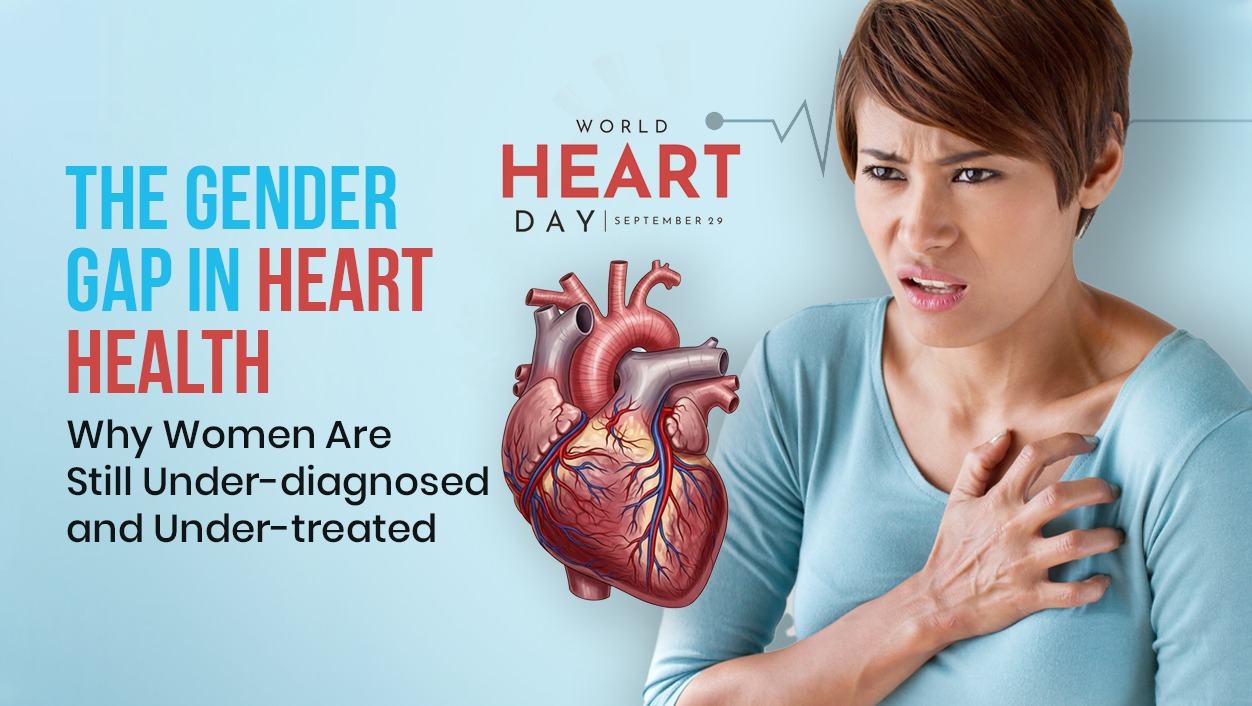
When I say ‘heart disease,’ what comes to your mind first? Most of us immediately picture a middle-aged man clutching his chest, a heart attack on TV or social media. Hospitals, awareness campaigns, even Google images, they all reinforce this idea that heart disease is a man’s disease.
And think about it for a moment. How often do we hear about a male relative, a friend or a colleague who had a heart attack and perhaps even died? Unfortunately, it happens. But when was the last time you heard the same story about a woman?
Rarely, right?
And yet, the reality in India is striking. Studies show that heart disease is actually the leading cause of death among women in India, accounting for almost 18 percent of all female deaths.
Think about that for a moment. More women in India die from heart disease than from breast cancer or all other cancers combined. Surprising, isn’t it? Yet, we rarely hear stories about women suffering a heart attack. Most of the time, these deaths happen quietly, without the awareness or urgency that would be triggered if it were a man.
Yet women are consistently under-diagnosed, under-treated and underrepresented in research. Today, let’s unpack why this gap exists and what we, as clinicians and as a society, need to do about it.
Symptoms of Heart Disease in Women
Now that we understand how common heart disease is among women, the next question is why so many cases go undiagnosed or misdiagnosed. Part of the problem is that women often do not present with the classic heart attack symptoms that we are all familiar with.
For men, the picture is straightforward: severe chest pain, pain radiating to the left arm, sweating, shortness of breath. For women, it is more subtle and can easily be mistaken for something else.
The common symptoms to watch for include:
- Unusual fatigue that persists even after rest and affects daily activities
- Shortness of breath, even with minimal activity or at rest
- Nausea, vomiting or indigestion that is not related to food
- Pain or discomfort in the neck, jaw, back or shoulders
- Light-headedness or dizziness during routine activities
- Mild chest discomfort, pressure or tightness, not necessarily severe pain
Other symptoms that can appear include cold sweats, palpitations, swelling in the legs and persistent cough, but the ones I just mentioned are the signs we see most often and are easiest to miss
Why Women’s Heart Disease Goes Unnoticed ?
Now you might be wondering, if these symptoms are there, why do so many women get diagnosed late or even miss a diagnosis entirely? The answer is a combination of perception, biology and historical practice.
1.Subtle Presentation
As we discussed earlier, women rarely have the classic, dramatic chest pain that people expect. Instead, the symptoms can be mild, unusual or spread out, like fatigue, nausea or jaw and back pain. Because these signs are not what we picture as a heart attack, they are easy to overlook.
2.Confusion With Everyday Health Issues
Many women dismiss their symptoms as just part of daily life stress from work, digestion problems, hormonal changes or simple tiredness. Does that sound familiar? Even sometimes, doctors may initially think along the same lines before considering the heart. That’s one reason why these cases often get missed.”
3.Lower Perceived Risk
There’s a common belief that heart attacks happen to men, not women. ‘It cannot happen to me.’ How many here have heard that? This mindset can delay seeking care and, in the worst cases, turn a manageable problem into a life-threatening one.”
4.Lack of Awareness in Public Health Messaging and Research
Historically, awareness campaigns, screenings and research have focused on men. Media images, hospital posters, even public health messages rarely show women’s experiences. How does that shape perception? It makes it harder for both women and healthcare providers to recognize the problem early.
When you put all of this together, it is no surprise that women are often diagnosed late and receive less aggressive treatment. Understanding these reasons is the first step to changing the way we approach women’s heart health.
Risk Factors for Heart Disease in Women
Let’s talk about why women are at risk. These are not just statistics, they are real patterns we see every day.
1.High Blood Pressure and Diabetes
Many women have high blood pressure or diabetes without realizing it. These conditions quietly strain the heart over years. How many of us know our numbers? Often, these go unnoticed until serious problems appear.
2.High Cholesterol and Weight
Extra weight around the belly. High cholesterol. Both put more strain on the heart. Many women may feel perfectly fine. The risk can be quietly building underneath.”
3.Lifestyle and Stress
Everyday life is demanding. Work, family, household responsibilities. Few opportunities to exercise, meals skipped or rushed. Stress adds to heart risk, often without anyone realizing it.”
4.Pregnancy-Related Complications
Preeclampsia, gestational diabetes, early delivery. These are signals. Not just during pregnancy, but for heart health years later. Awareness is low and the connection is often missed.”
5.Hormonal Changes
Early menopause, shifts in estrogen levels. These changes affect the heart. Slowly, quietly. Often unnoticed until problems become serious.
6.Autoimmune and Inflammatory Conditions
Conditions such as lupus or rheumatoid arthritis are more common in women and significantly raise heart risk.
7.Family History
A strong family history like mothers or sisters with heart disease cannot be ignored. It is one of the clearest indicators that preventive measures are needed.
Recognizing these factors early can make the difference between prevention and serious illness.
The Path Forward
Closing the gender gap in heart health is not simple. It requires coordinated action at many levels.
Healthcare Providers
Screening women for cardiovascular risk factors during routine visits is essential, even when they seem healthy. Fatigue, shortness of breath, nausea or pain in the jaw or back, these subtle signs matter. Noticing these signs early can save lives. Looking at all the symptoms together helps make sure women are treated properly. Treatment plans should focus on the heart, not just one symptom
Researchers and Policymakers
Studies should include women and analysis results separately for men and women. Heart conditions that affect women more often require attention. Research and policy should focus on these differences to guide better care. Funding, public awareness campaigns and study design all play a role.. Research funding and awareness campaigns should target women, including those in underserved communities. The goal is to ensure that evidence-based care reaches all women, without assuming men and women are the same in every aspect of heart disease.”
For Women:
You play a critical role in your own heart health and in the lives of the women around you family, friends and elderly relatives.
- Learn the symptoms of cardiovascular diseases and don’t ignore subtle symptoms.
- Get proper medical help when u feel some thing is wrong
- Keep up with regular screenings for blood pressure, cholesterol and diabetes.
- Seek specialized care when needed, especially during menopause or after pregnancy complications.
When all of us work together, we can close this gap. Awareness and early action save lives. Women’s hearts deserve nothing less and the time to act is now.